


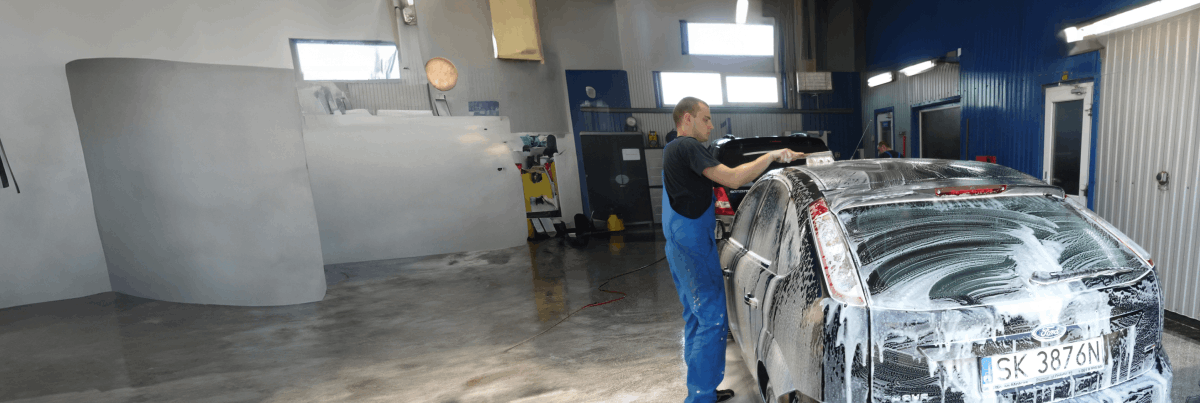
Car detailing is an art and a science aimed at restoring a vehicle to its best possible condition, both aesthetically and functionally. While many car owners understand the general concept of detailing, the distinction between interior and exterior detailing, and the specialized processes involved in each, often remains unclear. This article will meticulously break down these differences, highlighting the unique objectives, tools, techniques, and benefits of both interior and exterior car detailing, and why a comprehensive approach is essential for maintaining your vehicle’s value and appeal.
Understanding Car Detailing
Car detailing goes far beyond a simple car wash. It involves a thorough cleaning, restoration, and finishing of a vehicle, both inside and out, to achieve a show-quality cleanliness and polish. The primary goal is to preserve the car’s original condition and protect it from environmental damage and wear and tear.
Exterior Car Detailing
Exterior detailing focuses on the visible surfaces of your vehicle, aiming to restore and protect the paintwork, trim, wheels, and glass. The process is designed to remove contaminants, correct paint imperfections, and apply protective layers to enhance shine and durability.
Key Steps in Exterior Detailing:
1.Pre-Wash and Wash: This initial stage involves rinsing the car to remove loose dirt, followed by a thorough wash using pH-neutral car shampoos and the two-bucket method to prevent scratches. Specialized cleaners are used for wheels, tires, and wheel wells .
2.Decontamination: This crucial step removes embedded contaminants that a regular wash cannot. It typically involves:
•Chemical Decontamination: Using iron removers to dissolve metallic particles (e.g., brake dust) and tar removers to eliminate tar spots.
•Mechanical Decontamination (Clay Bar): Using a clay bar to lift stubborn contaminants like industrial fallout, tree sap, and overspray from the paint surface, leaving it smooth .
3.Paint Correction (Polishing): This is where paint imperfections like swirl marks, light scratches, and oxidation are removed. Professional detailers use various grades of polishes and compounds with rotary or dual-action polishers to achieve a flawless finish. This step significantly enhances the paint’s clarity and gloss.
4.Protection: Once the paint is corrected, a protective layer is applied. Options include:
•Waxes: Provide a warm glow and temporary protection (weeks to months).
•Sealants: Synthetic polymers offering more durable protection (months) against UV rays and contaminants.
•Ceramic Coatings: Semi-permanent layers that chemically bond with the paint, offering years of protection, extreme hydrophobicity, and enhanced gloss .
•Paint Protection Film (PPF): A clear, self-healing film applied to high-impact areas for superior physical protection against chips and scratches .
5.Trim and Tire Dressing: Exterior plastic and rubber trims are cleaned and conditioned to restore their original color and protect them from fading. Tires are dressed to give them a deep black, non-greasy finish.
6.Glass Cleaning: Windows and mirrors are meticulously cleaned with streak-free glass cleaners for optimal visibility.
Specialized Tools for Exterior Detailing:
•Pressure washer
•Foam cannon
•Dual-action or rotary polisher
•Microfiber wash mitts and towels
•Clay bar and lubricant
•Wheel brushes and dedicated wheel cleaners
•Paint thickness gauge
Interior Car Detailing
Interior detailing focuses on cleaning, sanitizing, and preserving the cabin of your vehicle. The goal is to create a fresh, hygienic, and comfortable environment, addressing everything from upholstery and carpets to dashboards and air vents.
Key Steps in Interior Detailing:
1.Vacuuming: A thorough vacuuming of all carpets, floor mats, seats, and crevices to remove loose dirt and debris.
2.Surface Cleaning and Disinfection: All hard surfaces, including the dashboard, door panels, center console, and steering wheel, are cleaned with appropriate interior cleaners and disinfectants. This removes grime, fingerprints, and kills bacteria.
3.Upholstery and Carpet Cleaning: Depending on the material, this involves:
•Shampooing/Extraction: For fabric seats and carpets, specialized cleaners are agitated into the material and then extracted using a hot water extractor to remove deep-seated dirt and stains.
•Leather Cleaning and Conditioning: Leather surfaces are cleaned with gentle leather cleaners and then conditioned to keep them supple, prevent cracking, and protect against UV damage .
4.Glass Cleaning: Interior windows and mirrors are cleaned to remove streaks and smudges, ensuring clear visibility.
5.Vent and Crevice Cleaning: Compressed air and detailing brushes are used to clean dust and debris from air vents, seams, and other tight spaces.
6.Odor Removal: Odor eliminators are used to neutralize unpleasant smells, leaving the interior smelling fresh.
7.Protection and Dressing: UV protectants are applied to plastic, vinyl, and rubber surfaces to prevent fading and cracking, while also enhancing their appearance without leaving a greasy residue .
Specialized Tools for Interior Detailing:
•Powerful vacuum cleaner with various attachments
•Hot water extractor (for carpets and upholstery)
•Steam cleaner (for sanitization and stubborn stains)
•Detailing brushes (various sizes and stiffness)
•Microfiber towels
•Compressed air gun
•Ozone generator (for severe odor removal)
Why Both Are Essential
While distinct in their processes, both interior and exterior detailing are equally vital for comprehensive car care. Exterior detailing protects your investment from the elements, maintains its aesthetic appeal, and preserves its resale value. Interior detailing, on the other hand, ensures a healthy, comfortable, and enjoyable driving experience, while also preventing premature wear and tear of internal components.
Neglecting one aspect can undermine the benefits of the other. A car with a pristine exterior but a dirty, unkempt interior creates a poor impression, and vice-versa. A holistic approach to detailing ensures that your vehicle remains in top condition, reflecting pride of ownership and maximizing its longevity.
Conclusion
Interior and exterior car detailing are two sides of the same coin, each playing a critical role in maintaining a vehicle’s overall condition. Understanding their differences and the specialized care each demands allows car owners to make informed decisions about their car care regimen. By investing in both, you not only preserve the aesthetic appeal and structural integrity of your vehicle but also enhance your driving experience and protect your valuable investment for years to come.
Leave a Reply