


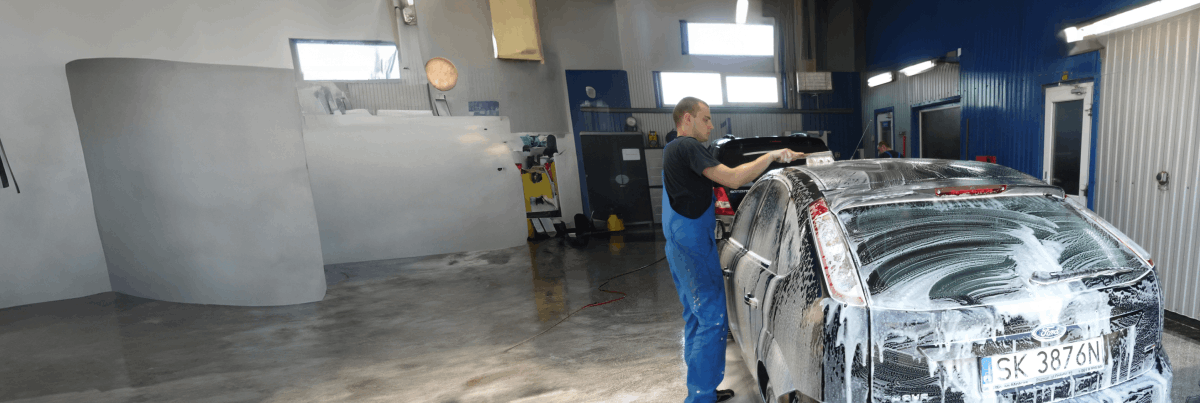
In an era where environmental consciousness is paramount, even routine tasks like car washing demand a sustainable approach. Traditional car washing methods, particularly at home, can be significant culprits of water waste and environmental pollution. This guide explores eco-friendly car washing practices, highlighting innovative techniques and products that allow car owners to maintain their vehicles while minimizing their ecological footprint and contributing to a healthier planet.
1. Understanding the Environmental Impact of Traditional Car Washing
Before delving into eco-friendly alternatives, it’s crucial to understand why conventional car washing poses environmental risks:
•Excessive Water Consumption: Home car washing with a garden hose can consume anywhere from 80 to over 100 gallons of water, with some estimates reaching up to 190 liters (50 US gallons) for an unrestrained hose . In contrast, professional car washes often use significantly less water, typically between 9 to 60 gallons per vehicle, thanks to advanced water reclamation and recycling systems .
•Water Pollution: Runoff from home car washes often contains a cocktail of harmful substances, including detergents, oils, grease, heavy metals (from brake dust), and phosphates. These pollutants can enter storm drains, which typically lead directly to local waterways, harming aquatic life and ecosystems. Phosphates, for instance, can cause excessive algae growth, leading to oxygen depletion and further ecological damage .
2. Eco-Friendly Car Washing Methods
Several methods offer a more sustainable way to keep your car clean:
a. Waterless Car Wash
As the name suggests, waterless car wash products require little to no water. These solutions are typically sprayed onto the car’s surface, encapsulating dirt and grime, which can then be safely wiped away with a microfiber towel. This method is ideal for lightly soiled vehicles and offers the highest water savings .
b. Rinseless Car Wash
Rinseless wash solutions are concentrated formulas that are diluted in a bucket of water. Using a wash mitt, the solution is applied to the car, cleaning the surface without the need for a subsequent rinse with a hose. This method significantly reduces water consumption compared to traditional washing, often using just a few gallons of water for an entire car .
c. Professional Eco-Friendly Car Washes
Many commercial car wash facilities have adopted eco-friendly practices. Look for establishments that:
•Recycle Water: Utilize advanced water reclamation systems to reuse wash water.
•Treat Wastewater: Ensure that all wastewater is collected and treated before discharge, preventing pollutants from entering natural water bodies.
•Use Biodegradable Products: Employ environmentally safe, biodegradable cleaning agents.
3. Choosing Eco-Friendly Products
The products you use play a vital role in minimizing environmental impact:
•Biodegradable Soaps and Shampoos: Opt for car wash soaps that are explicitly labeled as biodegradable. These products break down naturally, reducing their harm to aquatic environments .
•pH-Neutral Formulas: pH-neutral cleaners are gentler on your car’s paint and the environment.
•Microfiber Towels and Mitts: Reusable microfiber products reduce waste and are highly effective at cleaning and drying without scratching surfaces.
•Eco-Friendly Interior Cleaners: Choose interior detailing products that are non-toxic and free from harsh chemicals.
4. Best Practices for Eco-Friendly Car Washing
•Wash Less Frequently: Only wash your car when it genuinely needs it. Regular maintenance, like dusting with a microfiber cloth, can extend the time between washes.
•Use a Nozzle with a Shut-Off Valve: If you must wash at home with a hose, use a nozzle that allows you to control water flow and shut it off instantly, preventing continuous water waste.
•Wash on Permeable Surfaces: If washing at home, park your car on a lawn or gravel driveway rather than a paved surface. This allows the water to filter through the soil, which can help trap some pollutants before they reach storm drains.
•Collect and Dispose of Wastewater Properly: For home washes, consider using a collection mat to capture runoff and dispose of it in a utility sink or toilet, where it can be treated by the municipal wastewater system.
Conclusion
Eco-friendly car washing is not just a trend; it’s a responsible practice that benefits both your vehicle and the planet. By adopting water-saving methods like waterless or rinseless washes, choosing biodegradable products, and supporting professional car washes with sustainable practices, you can significantly reduce your environmental footprint. Maintaining a clean car doesn’t have to come at the expense of our precious natural resources. Embrace these eco-conscious approaches and drive towards a greener future.
Leave a Reply